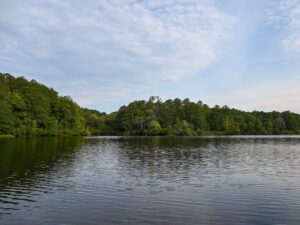
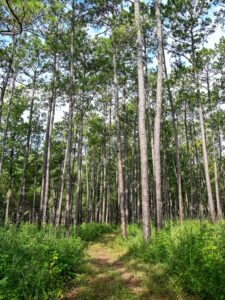
In central Georgia, Piedmont National Wildlife Refuge highlights tall loblolly pines, a 33-acre lake, and wildlife like red-cockaded woodpeckers and seasonal waterfowl.
European settlers cleared the Piedmont area of its forest in the early 1800s for farming. Then the Civil War, the Great Depression, and boll weevil crop destruction caused farms to be abandoned. The wildlife refuge was established in 1939 in part to demonstrate that wildlife could be restored on eroded lands.
Allison Lake
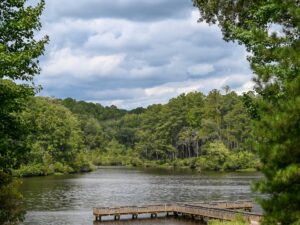
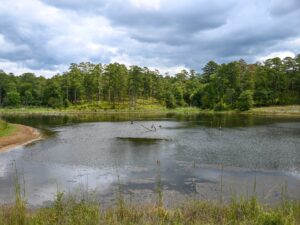
Allison Lake has a fishing dock and a hiking trail along its shoreline. We started the day at the dock, taking a quiet moment to observe the water.
Red-Cockaded Woodpecker (RCW) Trail
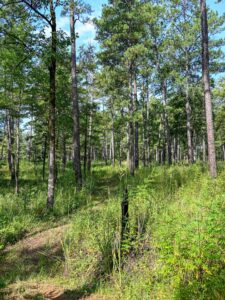
Over 7 miles of walking trails are available and we chose to hike the longest one. The Red-Cockaded Woodpecker Trail, a lollipop loop, begins at the Allison Lake parking area. This moderate 2.9-mile trail gains roughly 200 feet of elevation along its gravel-and-dirt route.
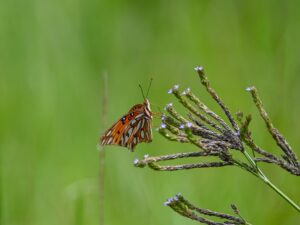
First, we crossed the dam and followed the fluttering wings of Gulf fritillary and duskywing skipper butterflies.
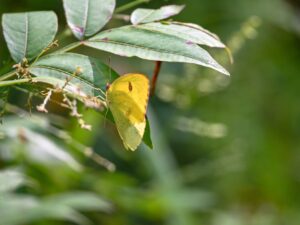
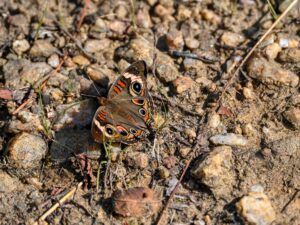
Approximately 0.3 miles in, the trail veered left into the forest following white blazes. More winged beauties danced around us including barred yellows, cloudless sulphurs, common buckeyes, eastern tailed-blues, and litter moths.
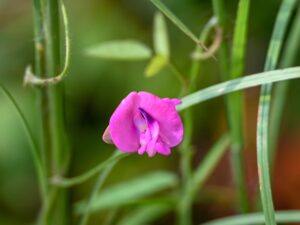
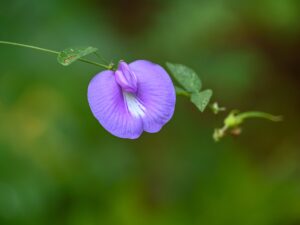
We crossed two footbridges over dry creek beds. Late summer flowers were still in bloom – goldenrod, panicled tick-trefoil, perennial wild bean/pink fuzzy-bean, and spurred butterfly pea.
At the four-way intersection, we continued straight into the loop.
An active red-cockaded woodpecker colony site sits at the far end of the loop. The trail’s namesake is the only North American woodpecker species that carves its nesting and roosting cavities in living, mature pines rather than dead trees. Once considered endangered, these birds are still classified as threatened and remain a Yellow Alert Tipping Point Species.
We visited well after peak nesting season but were pleasantly surprised to catch a glimpse of one before it darted away.
In fact, we were lucky enough to see most of the woodpecker species that live in the area including hairy woodpeckers, northern flickers, pileated woodpeckers, red-bellied woodpeckers, and red-headed woodpeckers.
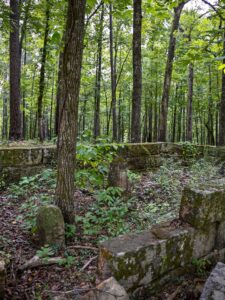
After the colony, the trail drops toward a gully along Allison Creek. To our right, we found a low stone wall, marking a small, historic cemetery.
Little Rock Wildlife Drive
Our last stop was the 6-mile gravel auto tour which travels along upland pines, hardwoods, creeks, grass fields, and a pond. Visitors can experience the refuge from the ease of their vehicle and use it as a photo blind for observing wildlife.
Midway through the drive, we stopped at a 10-acre pond (Pond 21) which has two short hiking trails.
Know Before You Go
May and June are the best chance for red-cockaded woodpecker sightings.
The refuge may be closed for hunting, flooding, or prescribed burns.
Ticks and chiggers are active from spring through late fall. Wear long pants and use insect repellent.